I: Kitamaebune
A golden trade route that built this town.
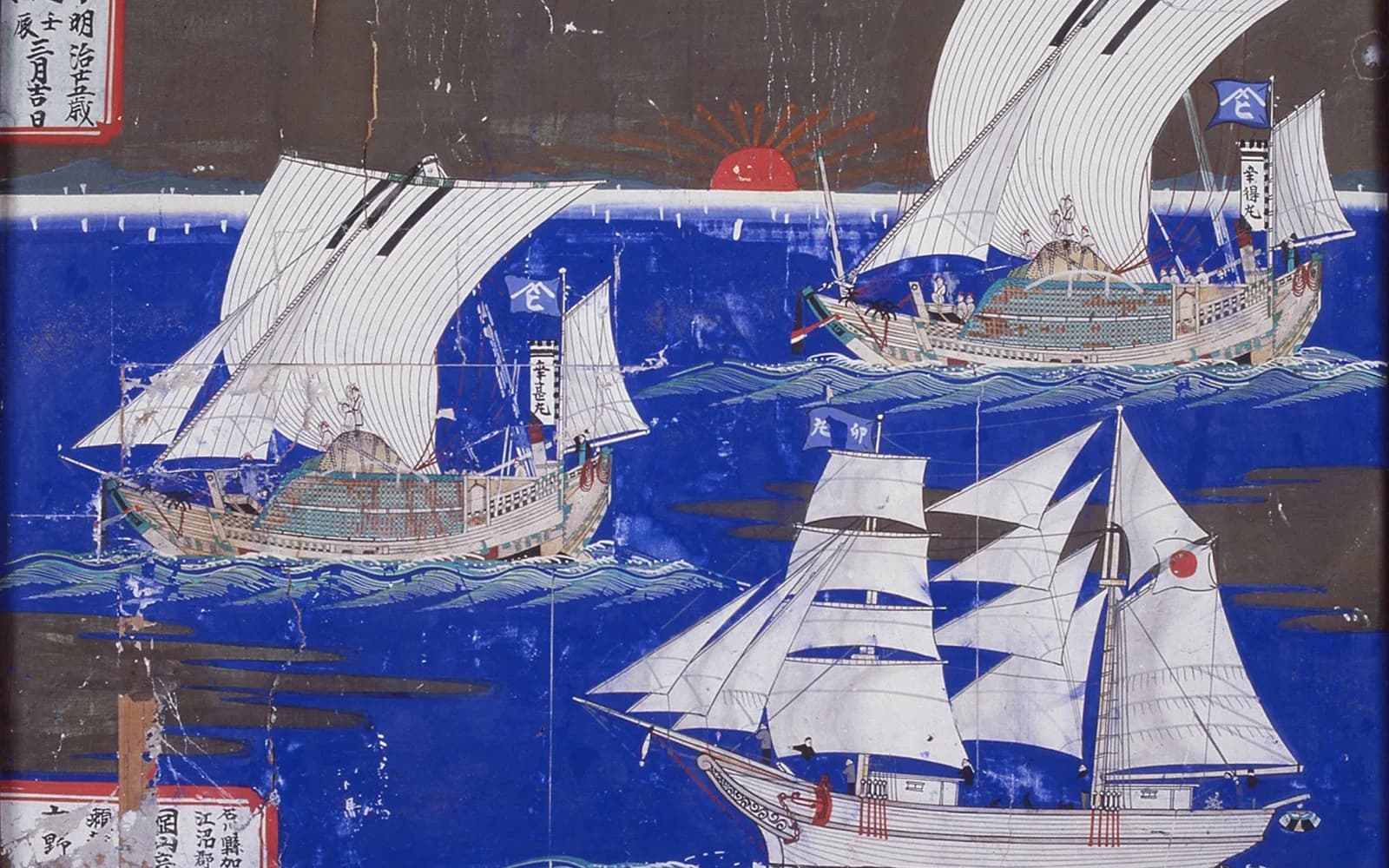
From the late Edo period into the Meiji era, the western sea route running the length of the Japan Sea carried Japan's commerce. Trading ships called Kitamaebune — "buy-sell merchants" who purchased goods at each port rather than simply carrying cargo — could multiply their investment several times over in a single voyage.
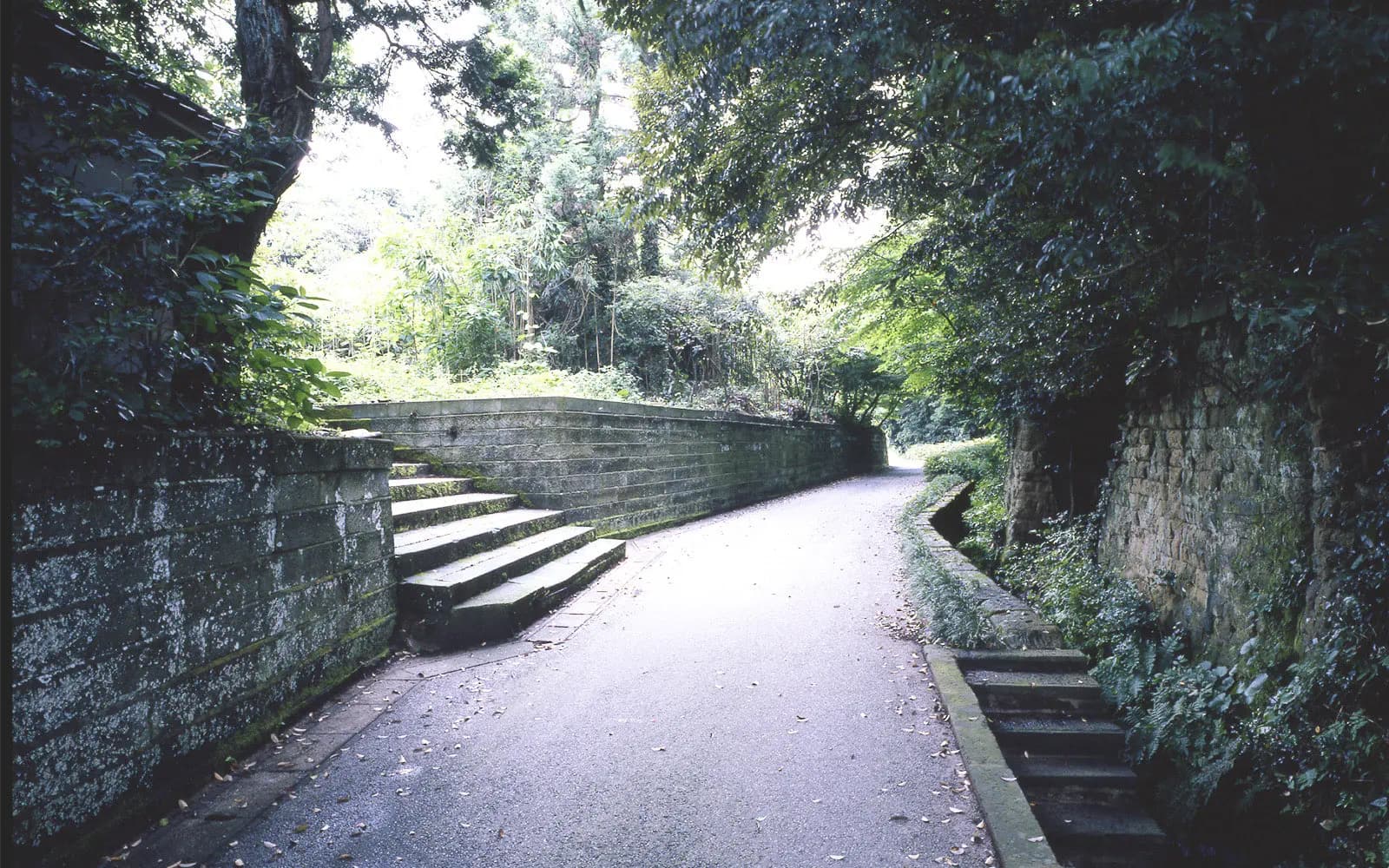
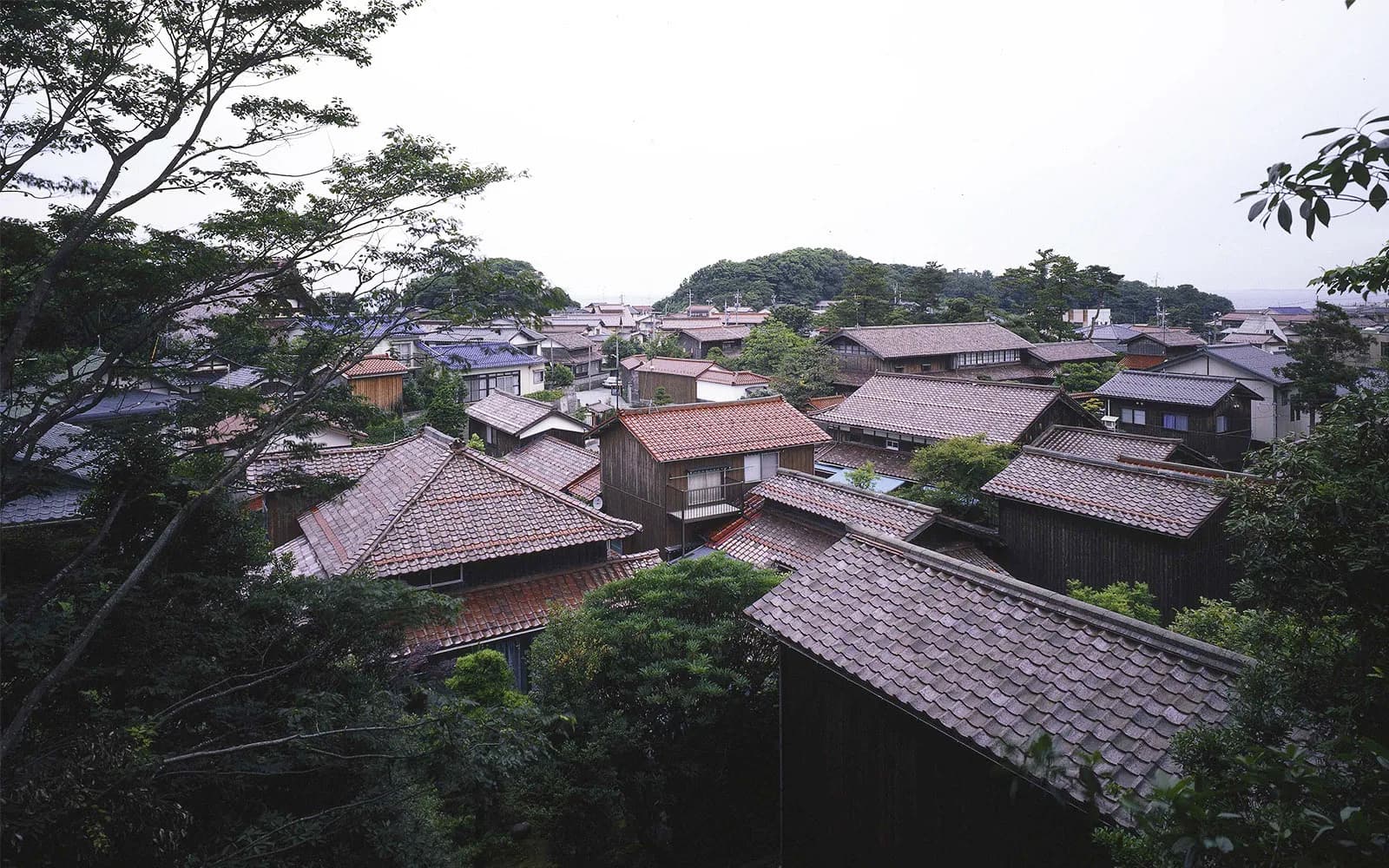
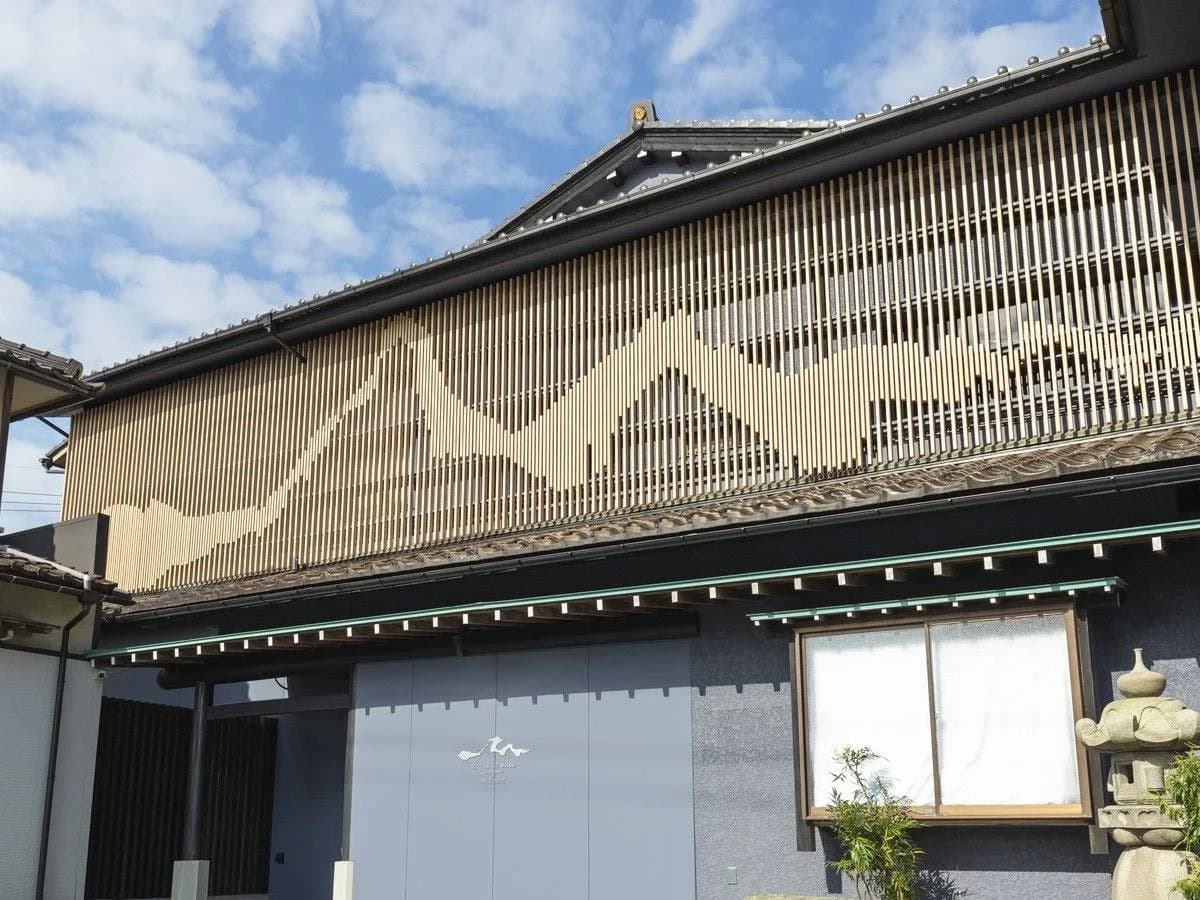
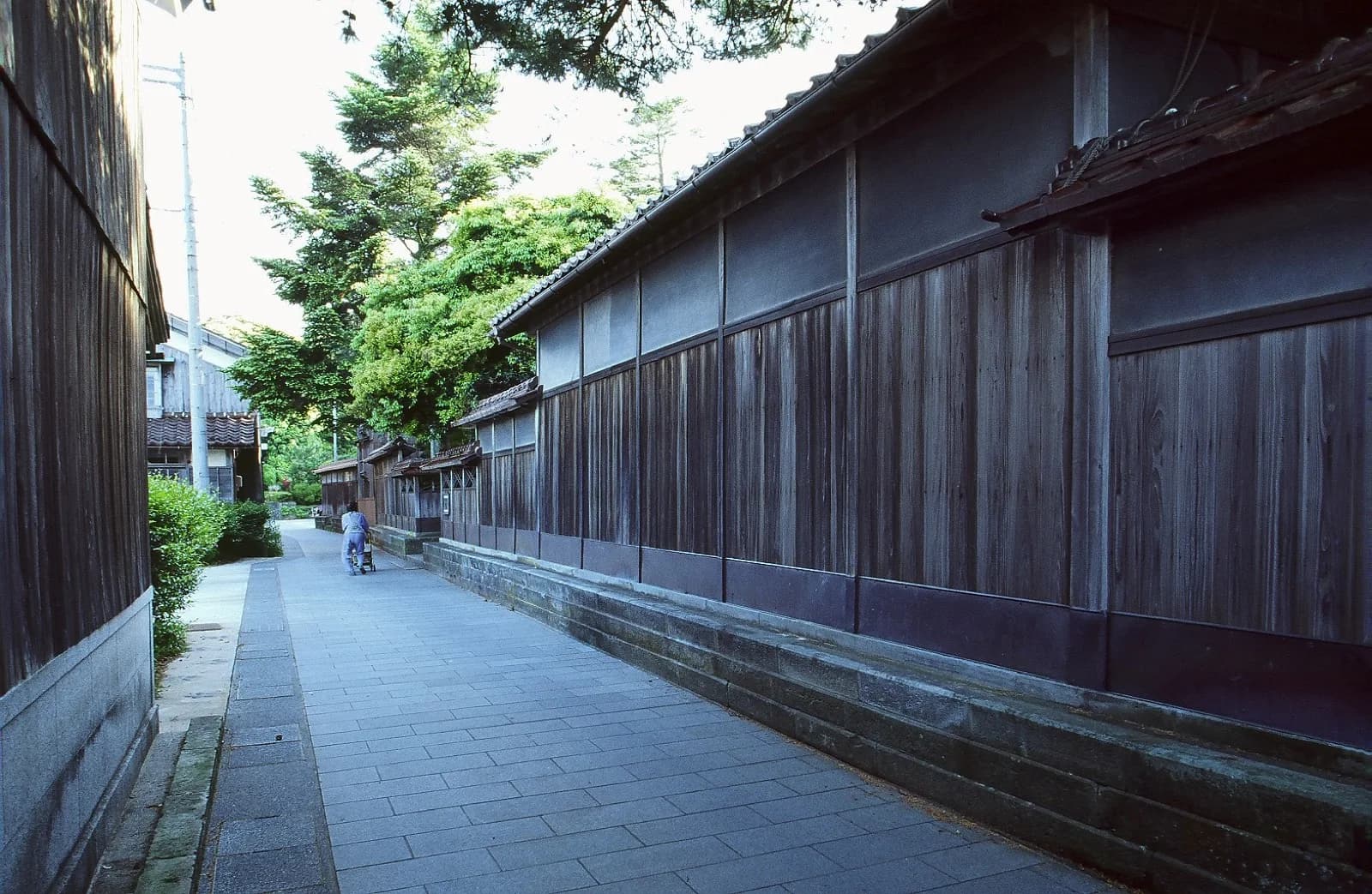
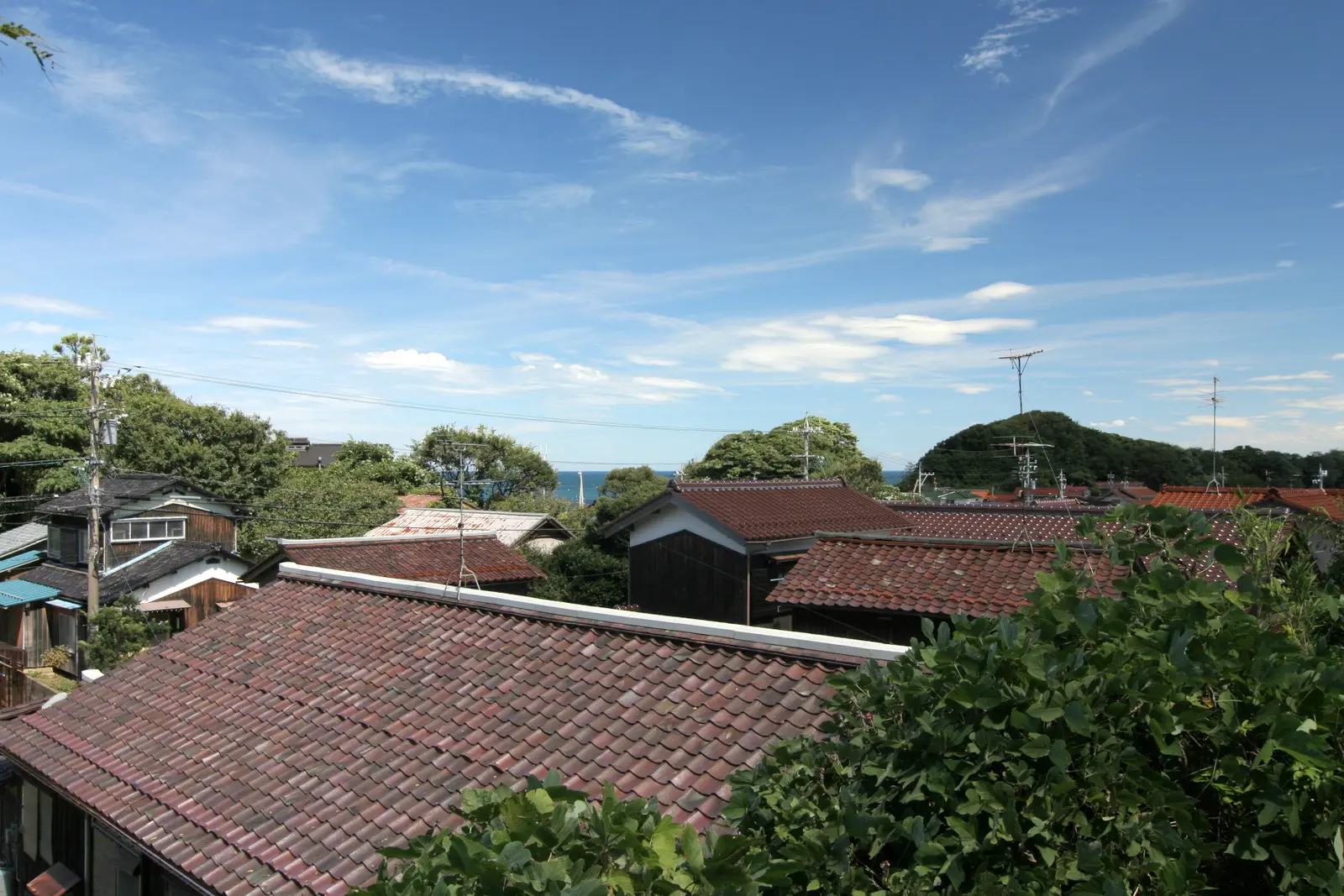
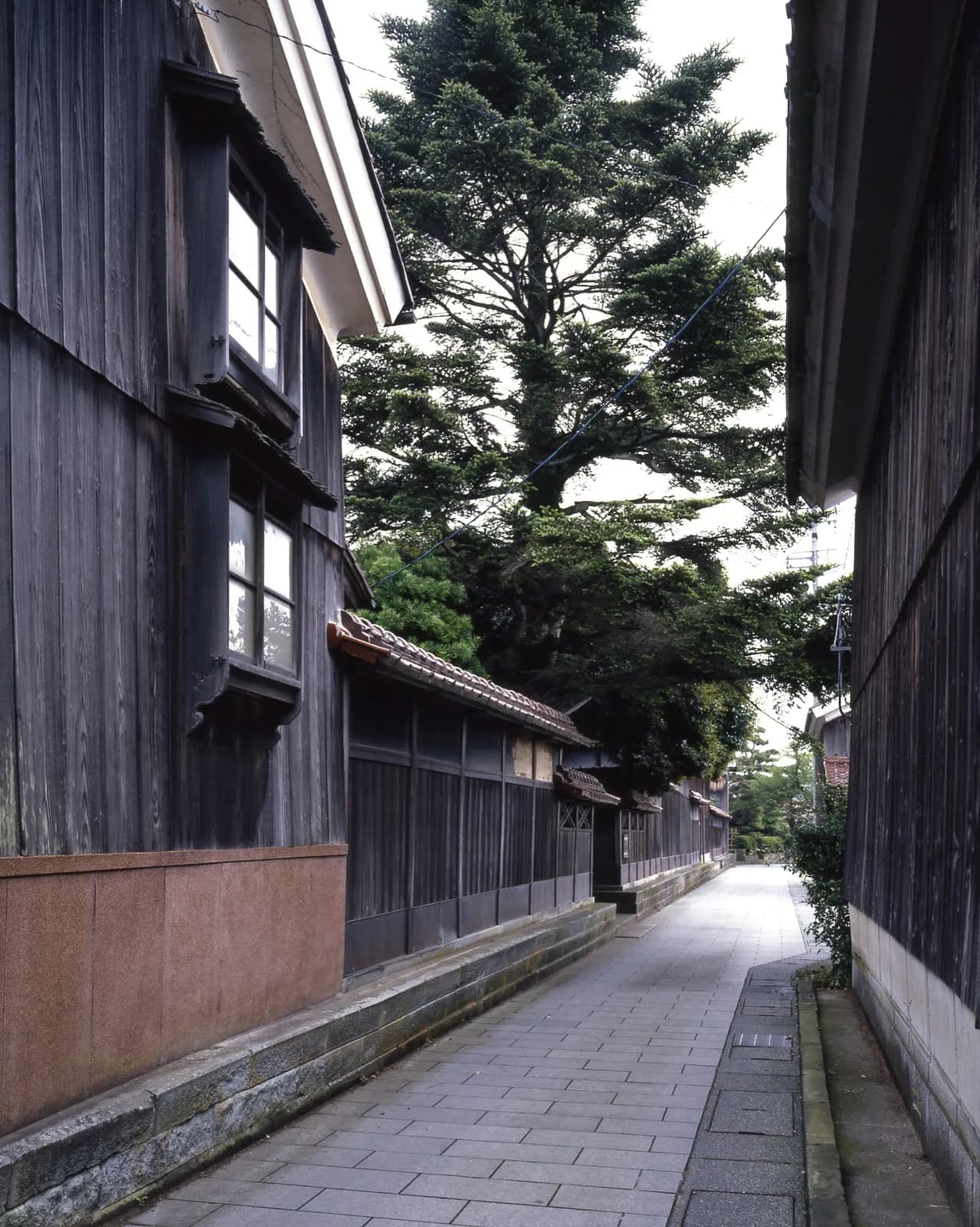
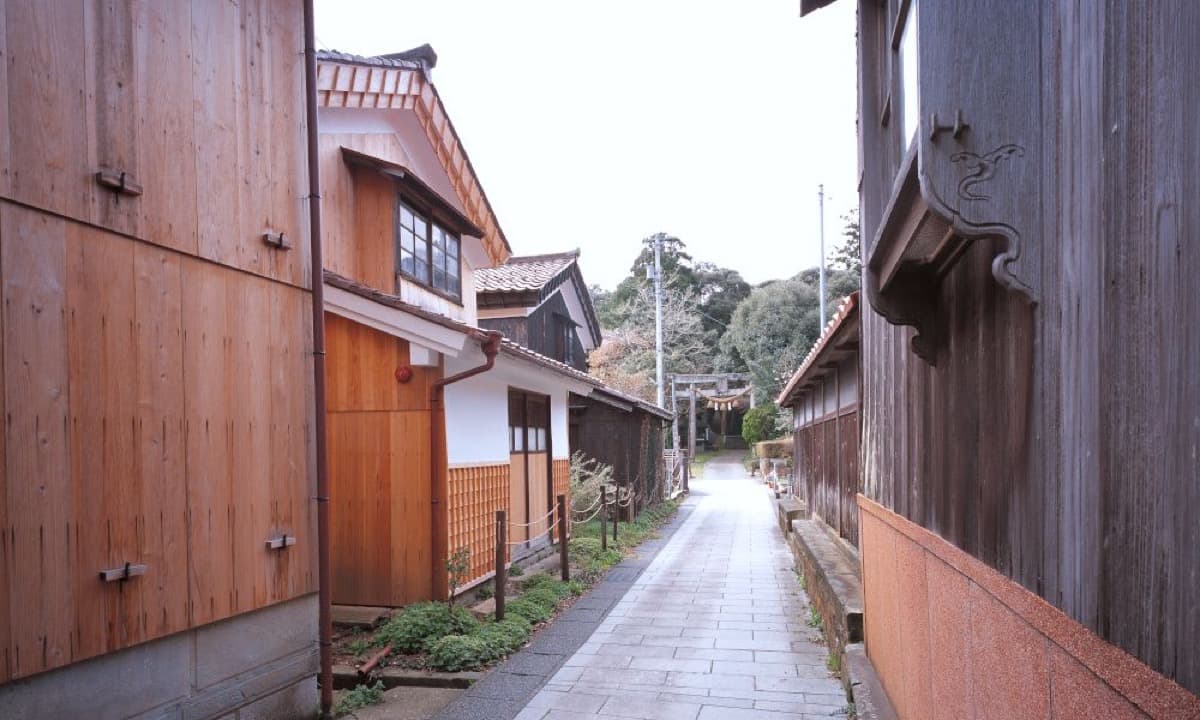
At its peak, over twenty ship-owning families from Hashitate were active at sea. The wealth they brought home became stone walls and rust-red tiled mansions; Hashitate was called "the wealthiest village in Japan." Foods the ships carried home — kombu dashi, koji, narezushi — still form the bedrock of Hokuriku cuisine.
Steam shipping spread in the late Meiji era and the age of sail quietly closed. Yet the townscape the shipowners built has been kept alive within the rhythms of everyday life, earning designation as both a national Important Preservation District and a Japan Heritage site. The era of Kitamaebune prosperity lives on, in changed form.
A votive painting of a Kitamaebune, dedicated for safe passage.